

Fermentation is often treated like a modern food trend, but people were relying on it long before anyone understood bacteria, yeasts, or molds. For many communities, fermented food was not an optional condiment sitting beside…
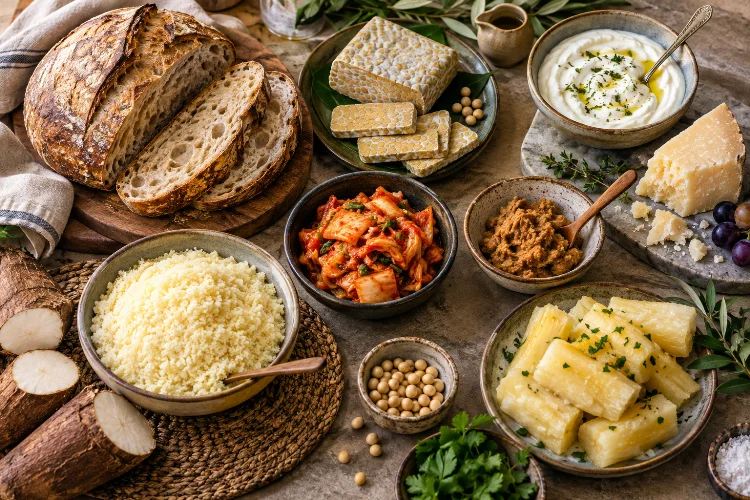
Fermentation is often treated like a modern food trend, but people were relying on it long before anyone understood bacteria, yeasts, or molds. For many communities, fermented food was not an optional condiment sitting beside…
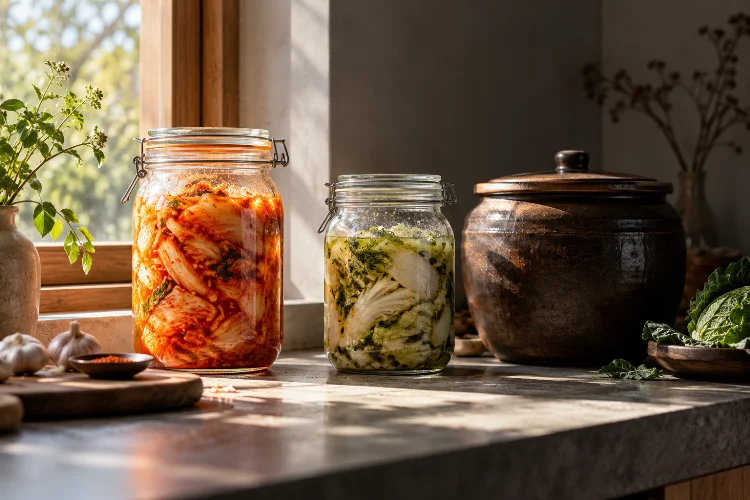
Two jars can contain exactly the same vegetables, salt, water, and spices yet taste surprisingly different a week later. Sometimes the only major difference is where they were stored. Temperature is one of fermentation’s most…

Fermented foods have an interesting habit of tasting like the places where they come from. A soybean ferment made in Korea can taste noticeably different from one produced in China or Japan. Fermented fish from…
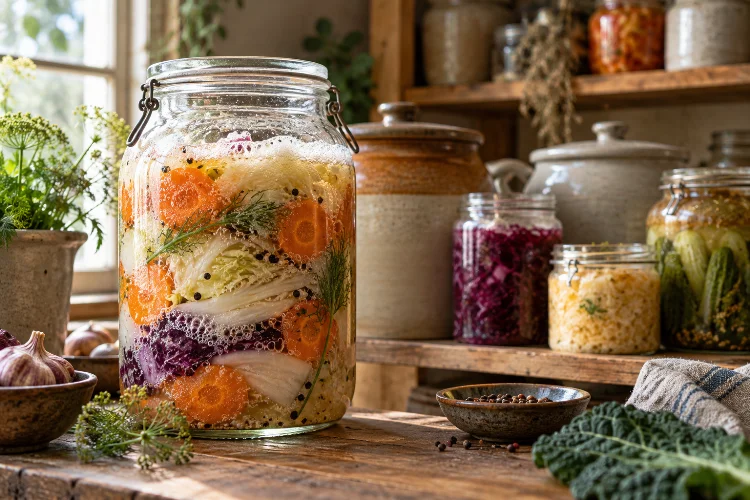
A jar of fermenting vegetables may look quiet from the outside, but inside it is anything but inactive. Millions of microorganisms can be competing, cooperating, consuming sugars, producing acids, releasing aromas, and gradually transforming raw…
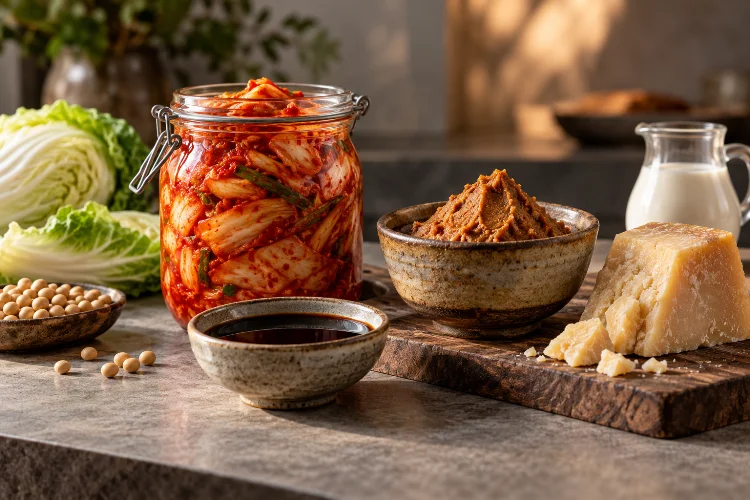
Fresh soybeans do not taste like soy sauce. Cabbage straight from the field tastes nothing like mature kimchi, and fresh milk has nowhere near the savory complexity of a well-aged cheese. The missing ingredient is…