

Fermentation is often treated like a modern food trend, but people were relying on it long before anyone understood bacteria, yeasts, or molds. For many communities, fermented food was not an optional condiment sitting beside…



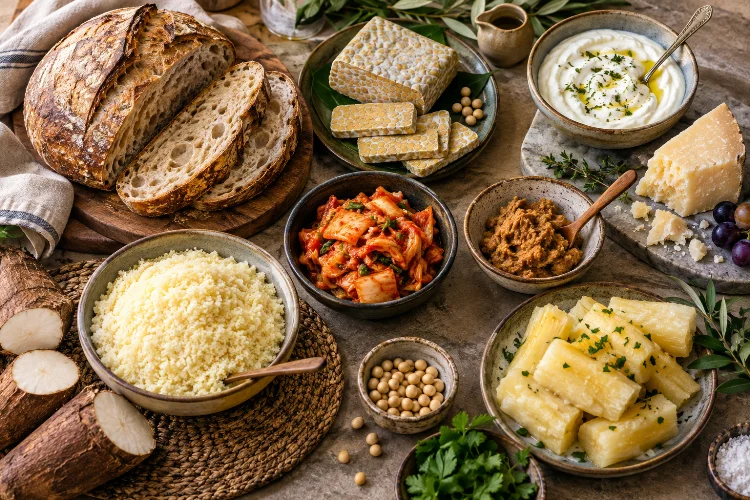
Fermentation is often treated like a modern food trend, but people were relying on it long before anyone understood bacteria, yeasts, or molds. For many communities, fermented food was not an optional condiment sitting beside…
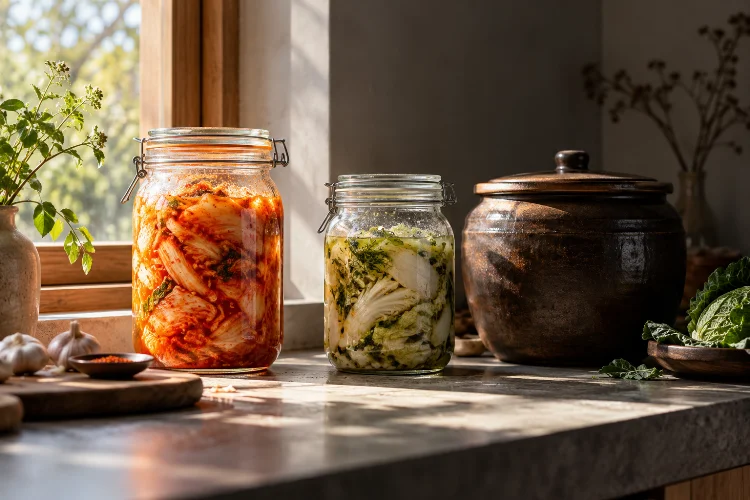
Two jars can contain exactly the same vegetables, salt, water, and spices yet taste surprisingly different a week later. Sometimes the only major difference is where they were stored. Temperature is one of fermentation’s most…

Fermented foods have an interesting habit of tasting like the places where they come from. A soybean ferment made in Korea can taste noticeably different from one produced in China or Japan. Fermented fish from…
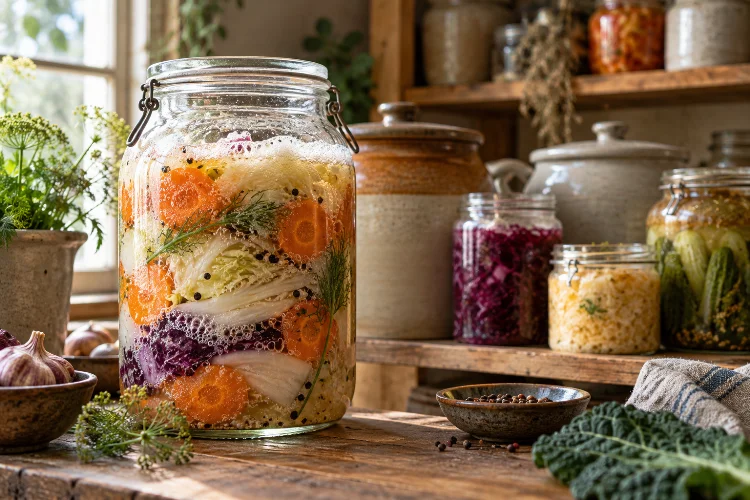
A jar of fermenting vegetables may look quiet from the outside, but inside it is anything but inactive. Millions of microorganisms can be competing, cooperating, consuming sugars, producing acids, releasing aromas, and gradually transforming raw…
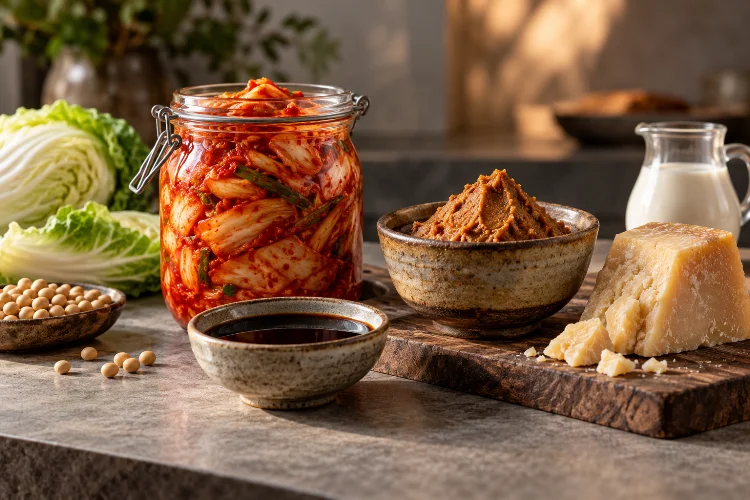
Fresh soybeans do not taste like soy sauce. Cabbage straight from the field tastes nothing like mature kimchi, and fresh milk has nowhere near the savory complexity of a well-aged cheese. The missing ingredient is…
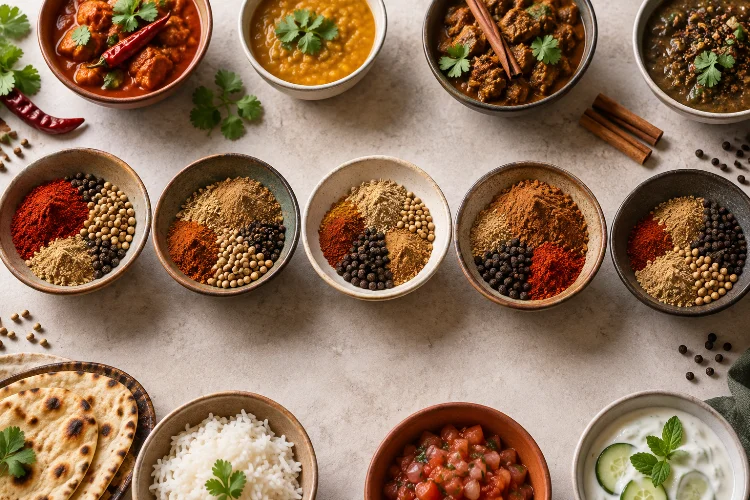
Two kitchens can use cumin, coriander, chile, cinnamon, and black pepper yet produce food that tastes completely different. The secret is often not the ingredient list. It is the ratio. One cuisine may make coriander…
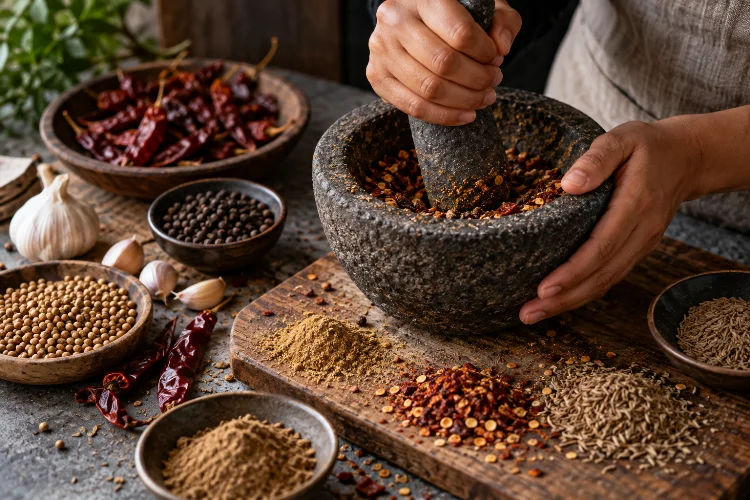
Take the same coriander seeds, peppercorns, dried chiles, cumin, and garlic, then process them in two different ways. Pound one batch slowly in a mortar and pulverize the other in a high-speed grinder. Even with…
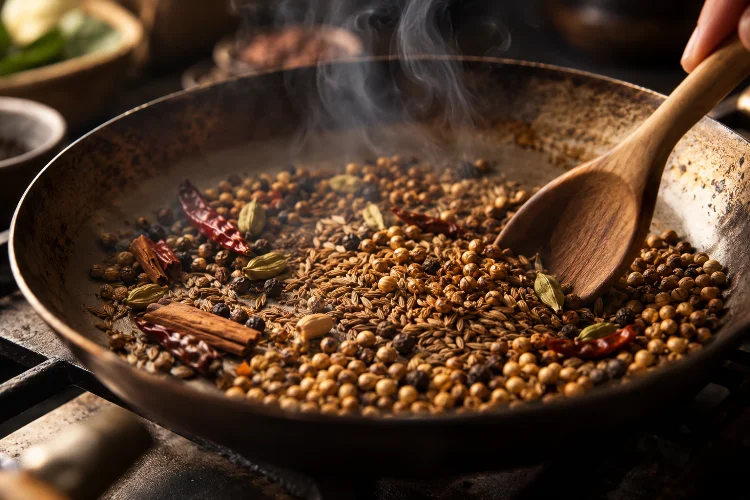
A spoonful of raw cumin smells earthy and sharp. Toast those same seeds for a minute or two, and suddenly the aroma becomes warmer, nuttier, and noticeably deeper. Nothing new has been added, yet the…
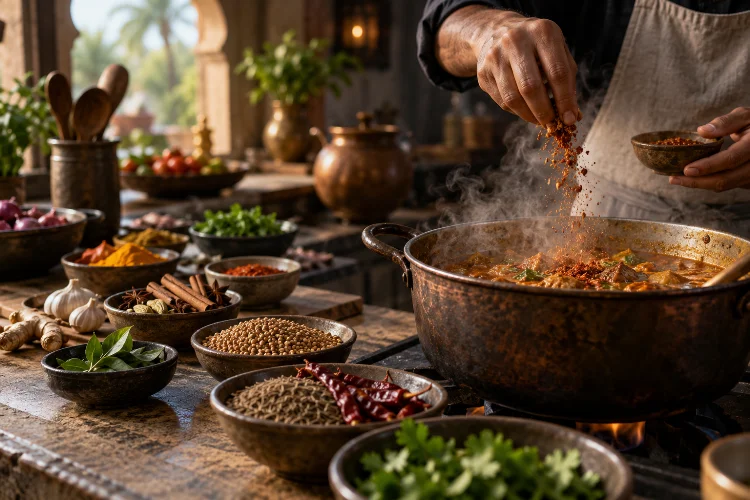
A great spiced dish rarely tastes like someone simply emptied a spice cabinet into the pot. Instead, the flavors seem to arrive in stages. You might notice warm cumin first, then citrus-like coriander, a little…
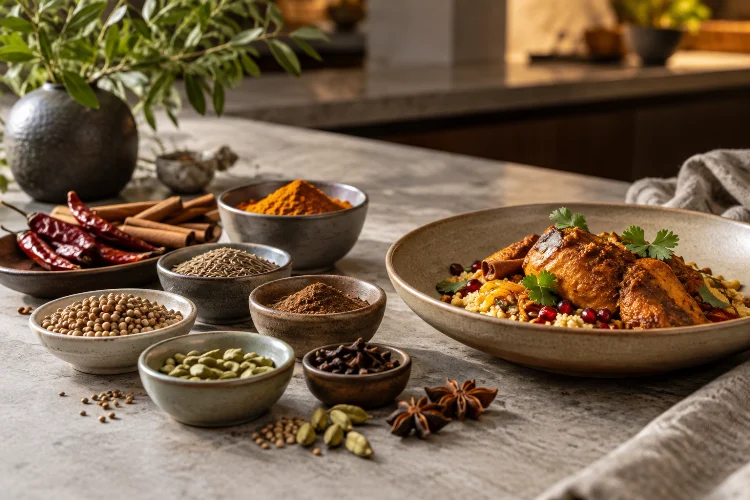
Open a jar of garam masala, ras el hanout, Chinese five-spice, or another traditional spice blend and the aroma can be surprisingly intense. Yet once that mixture enters a well-made dish, something interesting happens: no…
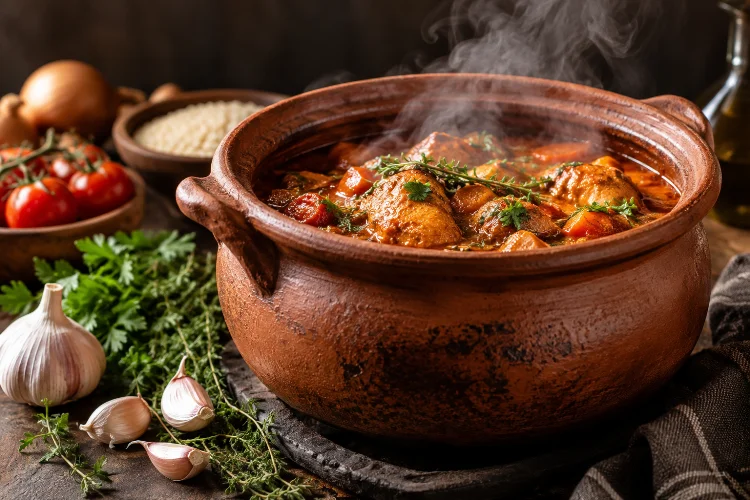
A stew cooked in a clay pot can contain exactly the same ingredients as one prepared in stainless steel, yet many cooks insist the final result feels noticeably different. The meat may seem softer, the…
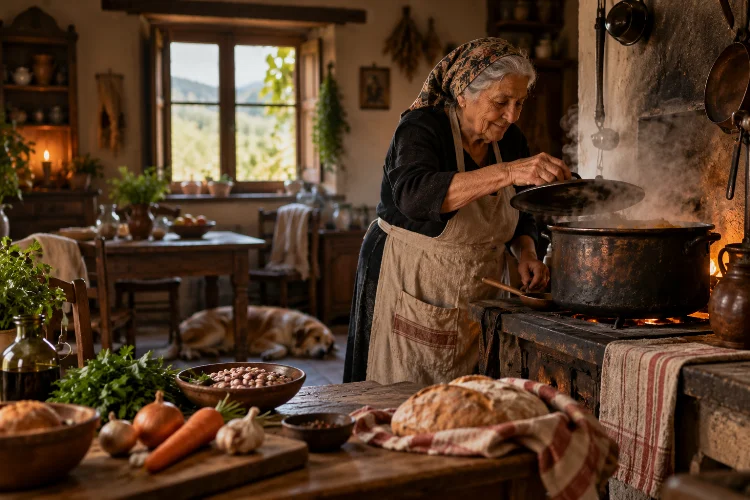
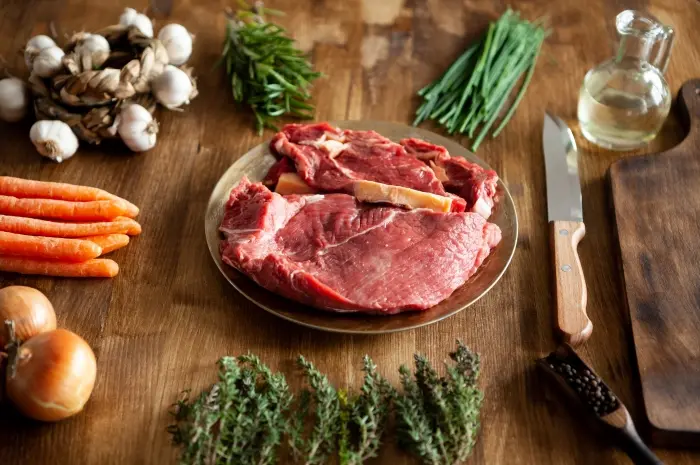
Some dishes simply refuse to be rushed. A stew simmering for three hours, meat slowly braising in a covered pot, beans bubbling gently beside a fire, or a sauce reducing until every flavor feels concentrated…