

Two jars can contain exactly the same vegetables, salt, water, and spices yet taste surprisingly different a week later. Sometimes the only major difference is where they were stored. Temperature is one of fermentation’s most…
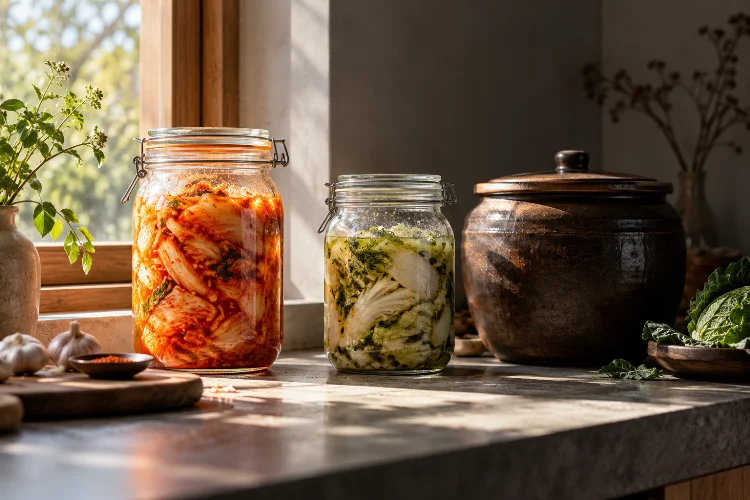
Two jars can contain exactly the same vegetables, salt, water, and spices yet taste surprisingly different a week later. Sometimes the only major difference is where they were stored. Temperature is one of fermentation’s most…
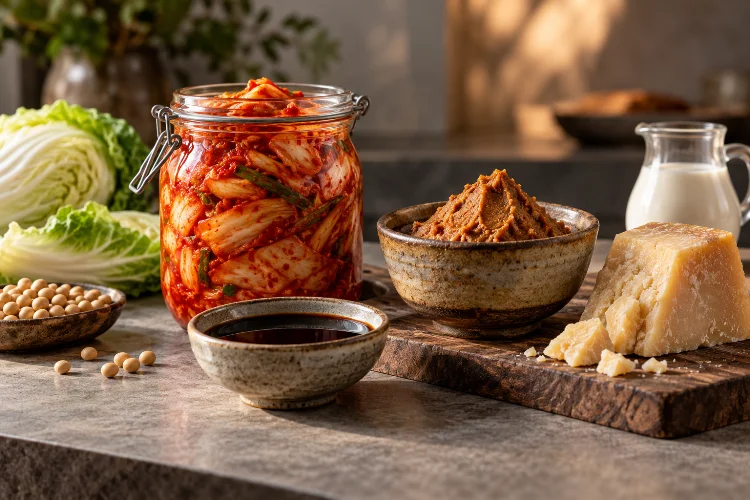
Fresh soybeans do not taste like soy sauce. Cabbage straight from the field tastes nothing like mature kimchi, and fresh milk has nowhere near the savory complexity of a well-aged cheese. The missing ingredient is…
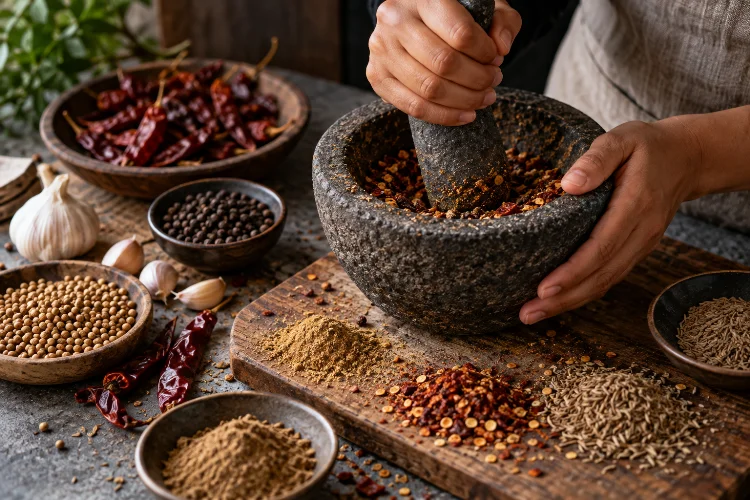
Take the same coriander seeds, peppercorns, dried chiles, cumin, and garlic, then process them in two different ways. Pound one batch slowly in a mortar and pulverize the other in a high-speed grinder. Even with…
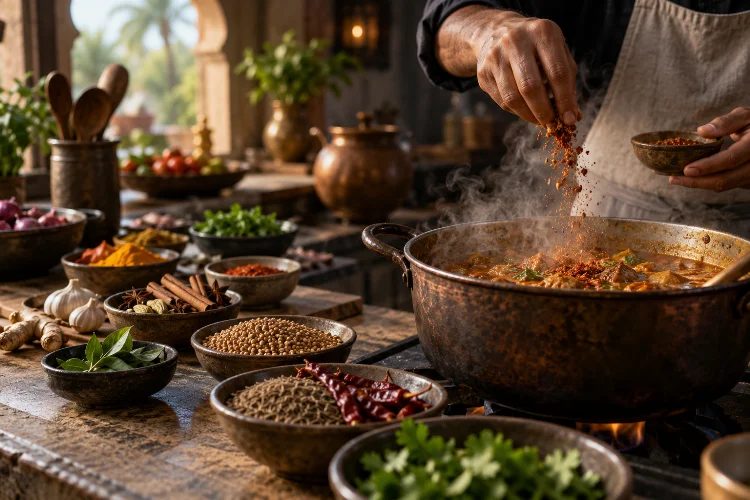
A great spiced dish rarely tastes like someone simply emptied a spice cabinet into the pot. Instead, the flavors seem to arrive in stages. You might notice warm cumin first, then citrus-like coriander, a little…
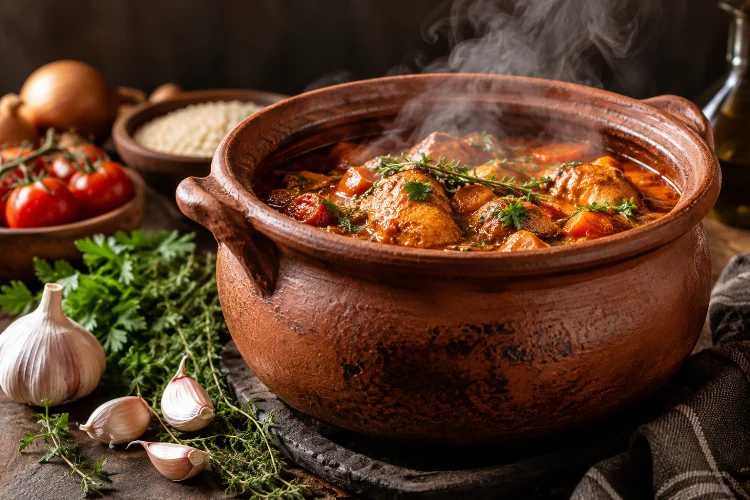
A stew cooked in a clay pot can contain exactly the same ingredients as one prepared in stainless steel, yet many cooks insist the final result feels noticeably different. The meat may seem softer, the…