

Two kitchens can use cumin, coriander, chile, cinnamon, and black pepper yet produce food that tastes completely different. The secret is often not the ingredient list. It is the ratio. One cuisine may make coriander…
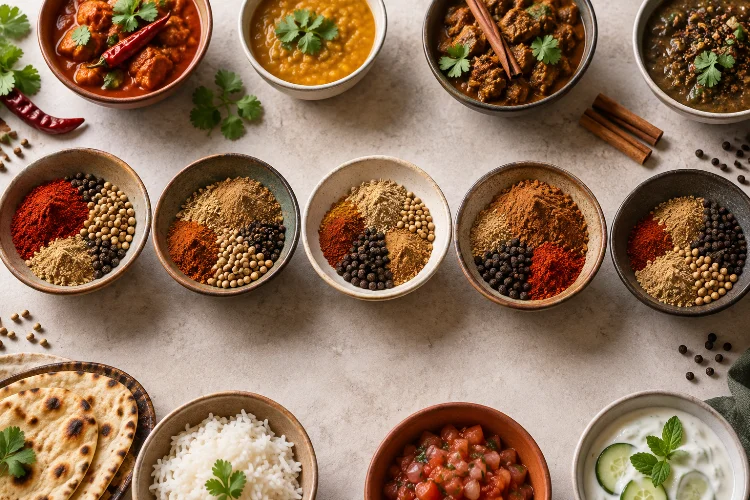
Two kitchens can use cumin, coriander, chile, cinnamon, and black pepper yet produce food that tastes completely different. The secret is often not the ingredient list. It is the ratio. One cuisine may make coriander…
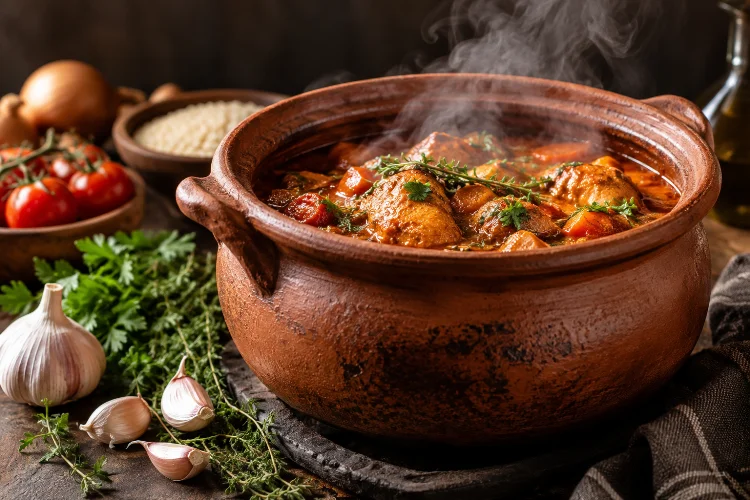
A stew cooked in a clay pot can contain exactly the same ingredients as one prepared in stainless steel, yet many cooks insist the final result feels noticeably different. The meat may seem softer, the…
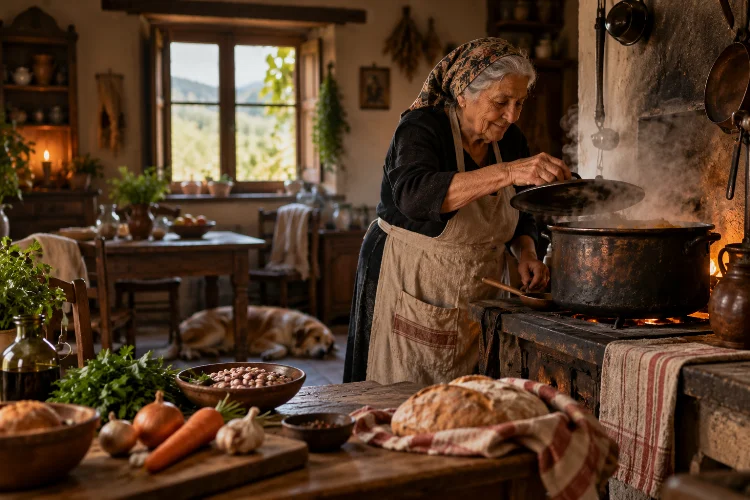
Some dishes simply refuse to be rushed. A stew simmering for three hours, meat slowly braising in a covered pot, beans bubbling gently beside a fire, or a sauce reducing until every flavor feels concentrated…
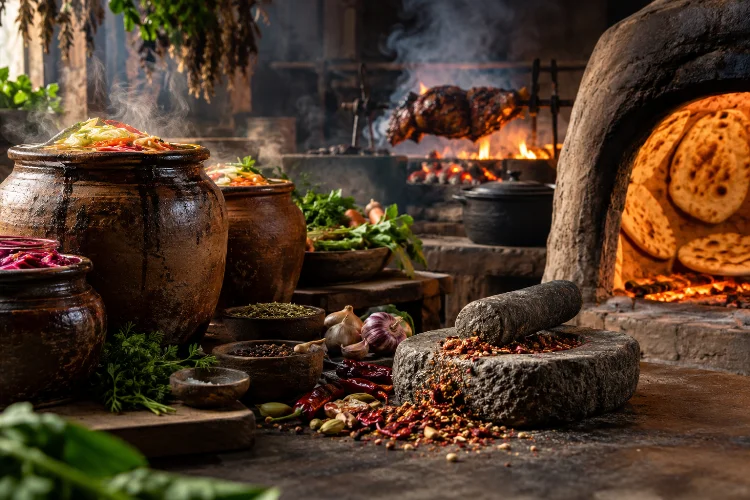
Some of the richest flavors in modern cooking come from methods that existed long before temperature probes, induction stoves, or professional restaurant kitchens. Think about meat slowly roasting over wood, vegetables fermenting in clay jars,…
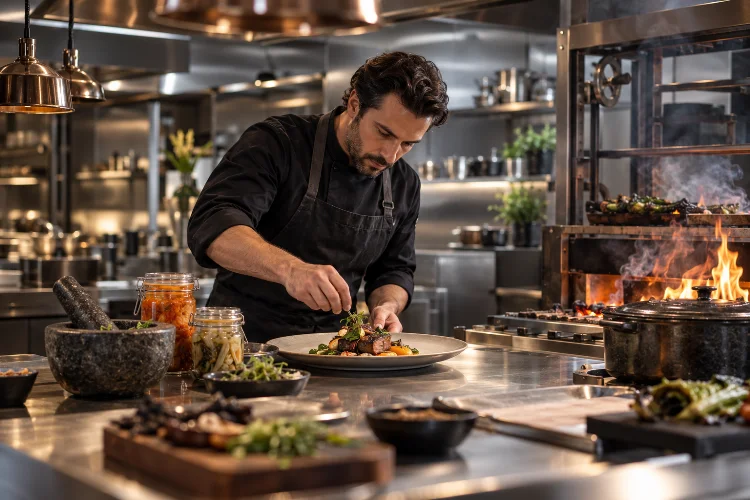
Walk into an ambitious modern restaurant and you may see precision induction cooktops, vacuum sealers, temperature-controlled ovens, and high-speed blenders. Look more closely, however, and many of the flavors coming from that kitchen are built…